
















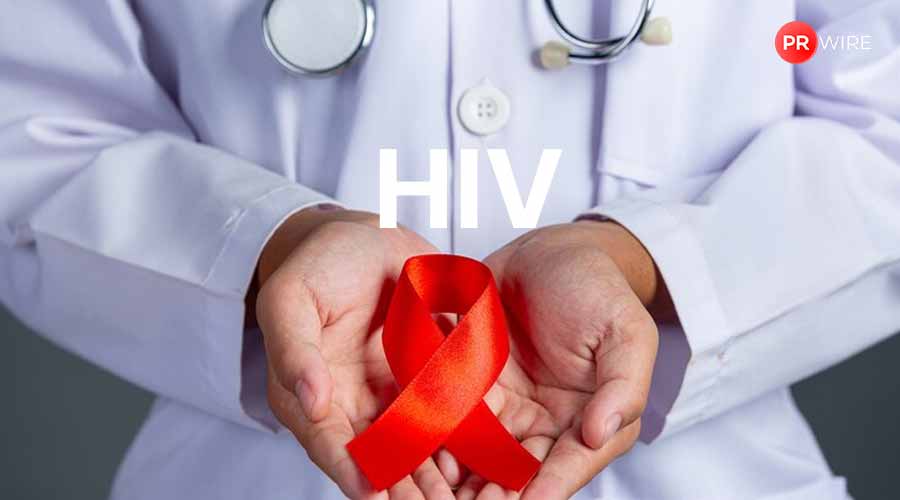
As US President Donald Trump has decided to freeze global foreign aid, concerns looms at large over HIV patients defaulting on treatment, infection rates going up and eventually a rise in deaths.
In 2024, think tank Human Sciences Research Council released figures showing that South Africa’s KwaZulu-Natal province recorded the second-highest HIV prevalence in the country, at 16 percent, with at least 1,300 young people estimated to contract the disease every week.
According to a report by news agency Associated Press, KwaZulu-Natal also had the highest number of people living with HIV in South Africa in 2022, about 1.9 million.
The country counts more than 7.5 million people infected with the virus that causes AIDS — more than any other nation.There are 5.5 million South Africans receiving antiretroviral treatment, whose funding is now in question after Trump suspended the President’s Emergency Plan for AIDS Relief, or PEPFAR. It contributes more than $400 million a year to South Africa’s HIV programs and nongovernmental organizations, about 17% of the total funding, according to the Health Ministry.
Globally, PEPFAR is credited with saving at least 26 million lives since its inception in 2003, according to the U.N. AIDS agency.Last week, a federal judge ordered the Trump administration to temporarily lift the funding freeze, while the U.S. Embassy in South Africa said PEPFAR projects would resume under a limited waiver.
However, aid groups dealing with HIV have already shuttered with closure notices hanging at the entrances and PEPFAR-branded vehicles standing idle, with patients diverted to struggling health facilities. Most of the PEPFAR funding is channeled through non-governmental organizations, which run programs that compliment health care services provided by the government.
For HIV patients in the Umzimkhulu region, where unemployment is rife and most people rely on subsistence farming and government welfare grants, the aid freeze has disrupted their lives, AP reported.
“Things will be tough around here, and a lot of people will default on their treatment because we really struggle with transport,” she said as quoted by AP. “The mobile clinics hardly come here.”
The freeze has hurt various groups that can no longer provide treatment. Consequently, this has led to an influx of patients to already overstretched public facilities.
Along with the medication, these programs also allowed health personnel to test HIV patients in far-flung villages, which has been a lifeline for many, especially those afraid to visit public facilities due to the social stigma attached to HIV.
In addition, nearly 15,000 health workers whose salaries are funded through PEPFAR are left wondering if they have lost their livelihoods.About an hour away in the district of Umgungundlovu, which the think tank says has the highest number of HIV cases in South Africa, HIV counselors gathered in a small office discussing how best to assist patients.
The article originally appeared on Financial Express.