










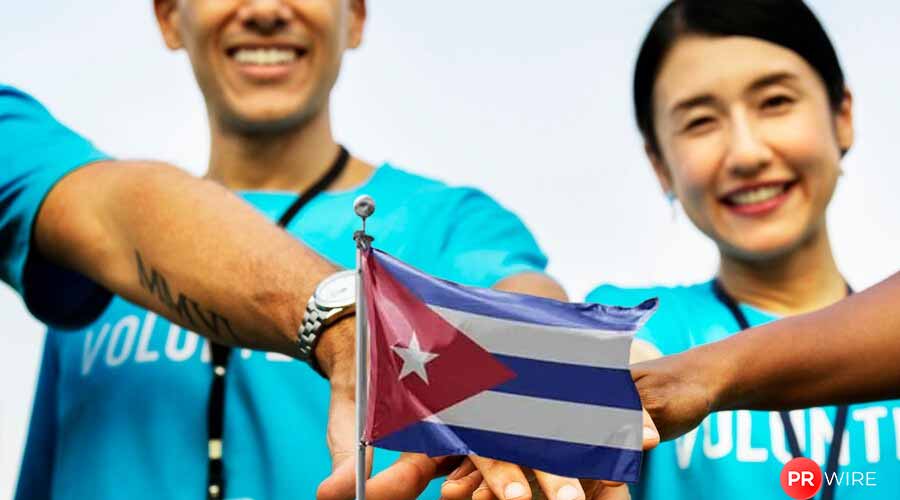
Prime Minister Dr Ralph Gonsalves yesterday defended the Cuban health brigade programme after the United States announced it intends to revoke the visas of foreign government officials whose countries employ Cuban doctors and nurses.
“Maybe some people in Florida who’re pushing a line don’t quite understand what is taking place, and when they get the information, they’ll see that they’re mistaken,” Gonsalves said on his weekly radio programme on the state-owned NBC radio.
Last week, US Secretary of State Marco Rubio said Washington was announcing “the expansion of an existing Cuba-related visa restriction policy that targets forced labour linked to the Cuban labour export programme.
“This expanded policy applies to current or former Cuban government officials, and other individuals, including foreign government officials, who are believed to be responsible for, or involved in, the Cuban labour export programme, particularly Cuba’s overseas medical missions”.
Rubio, the son of Cuban immigrants who left Cuba in pursuit of the American dream, said in the statement posted on the US Department of State’s website, that the new policy also applies to the immediate family of those people supporting the Cuban programme.
“The department has already taken steps to impose visa restrictions on several individuals, including Venezuelans, under this expanded policy,” he added.
But Prime Minister Gonsalves told radio listeners that CARICOM foreign ministers met on the issue “and they’ve decided to collate all the relevant information, and they are going to treat with the issue regionally, and hoping to have a meeting sometime in the not-too-distant future at an appropriate level with the American government”.
Gonsalves said while St Vincent and the Grenadines do not have a significant number of Cuban medical personnel as compared to Jamaica and Guyana, Kingstown pays the Cuban professionals the rate as they do for its own professionals.
“It is said that the Cuban professionals who are here under the agreement with the Cuban government, they had to pay, I don’t know if it’s 10 percent or 15 percent, whatever it is, of their salary to the Cuban government.
“But that doesn’t mean that they’re exploited. They got a free education. And if they’re going overseas, making money from that education, it’s not unreasonable for them to put back something in the kitty for more people to be educated. We put our people on bond. The American federal government lend money, and people have to pay back the loans,” Gonsalves said.
The article originally appeared on The Gleaner.