
















China urged India and Pakistan to exercise restraint amid rising tensions following Indian military strikes on terror camps in Pakistan.
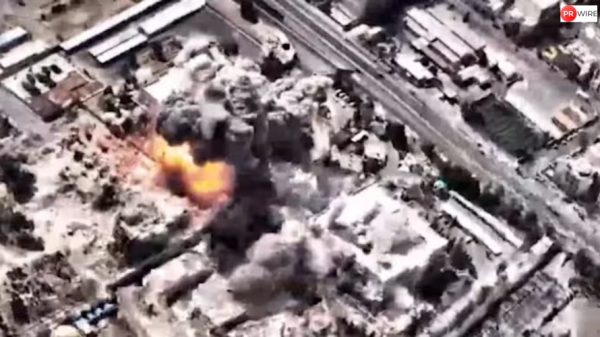
The Indian strikes reportedly hit key infrastructure of Jaish-e-Mohammed and Lashkar-e-Taiba, including the Bahawalpur stronghold of JeM and LeT’s base in Muridke. The operation, described as precise and preemptive, marked a major counter-terror response from New Delhi.
In the aftermath of the strikes, Pakistani troops launched heavy shelling across several border districts in Jammu and Kashmir, escalating tensions along the Line of Control (LoC).
The international community, including the United Nations, is closely monitoring the situation, urging both nations to step back from further military escalation.
India’s ministry of defence said the action was in direct response to the April 22 Pahalgam terror attack that killed 25 Indian nationals and one Nepali citizen and injured several others.
In its statement, the Ministry of Defence stated, “A little while ago, the Indian Armed Forces launched ‘OPERATION SINDOOR’, hitting terrorist infrastructure in Pakistan and Pakistan-occupied Jammu and Kashmir from where terrorist attacks against India have been planned and directed.”
“Our actions have been focused, measured and non-escalatory in nature. No Pakistani military facilities have been targeted. India has demonstrated considerable restraint in selection of targets and method of execution,” it added.
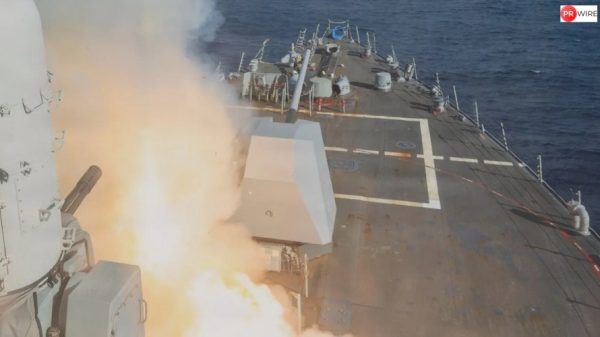
Indian Armed Forces successfully struck nine terror targets, four in Pakistan, including Bahawalpur, Muridke, and Sialkot, and five in Pakistan-occupied Jammu and Kashmir (PoJK), using special precision munitions in a coordinated operation.
The operation was jointly carried out by the Indian Army, Navy, and Air Force, with the mobilisation of assets and troops. Prime Minister Narendra Modi was constantly monitoring Operation Sindoor throughout the night, sources said.
The article originally appeared on Hindustan Times