












Beyond technology, Suleyman is also redefining how Microsoft’s AI division recruits talent.
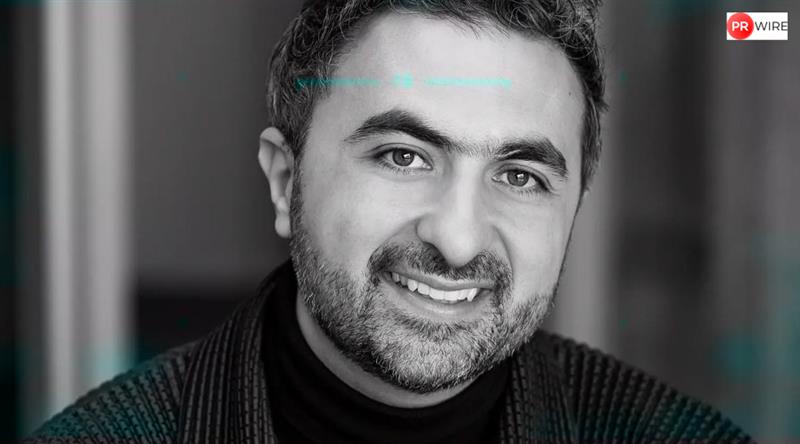
Microsoft’s AI chief Mustafa Suleyman has once again sounded a warning as the race toward artificial superintelligence accelerates. Days after unveiling Microsoft’s MAI Superintelligence Team, Suleyman said that while AI is advancing faster than ever, it must remain under human control. “We can’t build superintelligence just for superintelligence’s sake,” he said. “It’s got to be for humanity’s sake, for a future we actually want to live in. It’s not going to be a better world if we lose control of it.”
Microsoft’s shift to “humanist” superintelligence
The comments come as Microsoft moves into a new phase of AI development, one that Suleyman calls “AI self-sufficiency.” The company has reportedly moved beyond the computing and model-size limits that were part of its earlier partnership with OpenAI, allowing it to train systems at a much larger scale. But unlike competitors chasing unrestrained power, Suleyman says Microsoft’s goal is to pursue what he calls “Humanist Superintelligence.”
This approach, he explains, means building AI that is “carefully calibrated, contextualised, and within limits”, a direct contrast to what he calls the “race-to-AGI” narrative driving much of Silicon Valley. Instead of pursuing limitless autonomy, Microsoft aims to create practical systems that serve real human needs.
Among the areas he highlighted are medical AI systems that can outperform doctors in complex diagnostic scenarios, personalised education companions, and tools for clean energy innovation. “We are not building an ethereal, ill-defined superintelligence,” Suleyman wrote. “We are building a technology explicitly designed to serve humanity.”
‘No reassuring answer’ to the control question
Still, Suleyman admitted the industry faces an existential dilemma, how to maintain control over systems that are built to outsmart their creators. “How are we going to contain, let alone align, a system that is, by design, intended to keep getting smarter than us?” he asked. “No AI developer, no safety researcher, no policy expert has a reassuring answer to this question.”
He acknowledged that Microsoft’s cautious approach may be slower and more expensive than competitors’ more aggressive methods but insists it’s a necessary trade-off. The company’s superintelligence team, he said, is “playing the long game”, and it will likely take a year or two before their next-generation models are ready.
A bold new hiring philosophy
Beyond technology, Suleyman is also redefining how Microsoft’s AI division recruits talent. In a recent social media post, the DeepMind co-founder said he prefers hiring “ambitious risk-takers” over “cautious achievers.” “I’d rather hire someone that took some big swings and missed than someone who played it safe and nailed it,” he wrote, a statement that sparked debate across the tech industry.
For Suleyman, the challenge of building superintelligence is not just technical but deeply human, requiring courage, ethics, and humility in equal measure. “The real test,” he suggests, “is not how powerful our machines become, but whether we remain wise enough to guide them.”
The article originally appeared on Hindustan Times