


















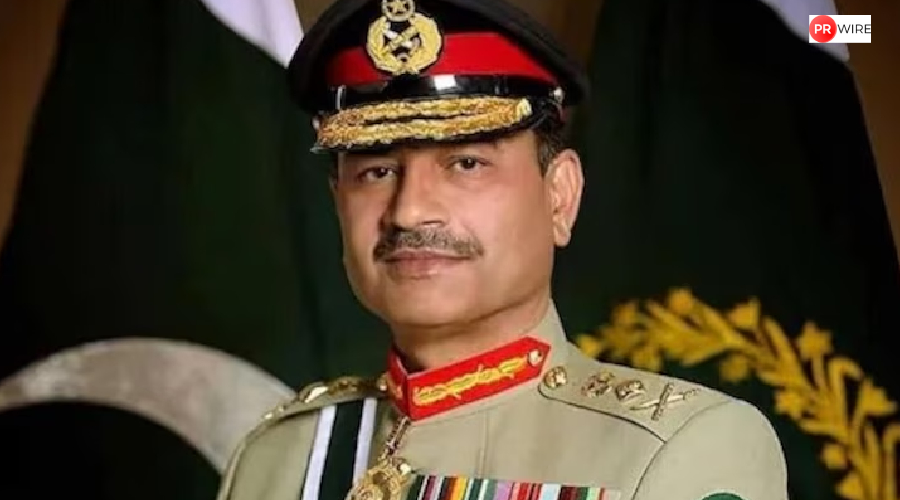
United Nations cautioned that the “hastily adopted” changes threatened judicial independence and raised questions about military accountability.
Pakistan on Sunday hit back at UN high commissioner for human rights Volker Turk after he criticised the country’s 27th constitutional amendment, a move that shields field marshal Asim Munir and other top officials from prosecution for life.
Islamabad dismissed the UN’s remarks as “ungrounded and misplaced apprehensions.” The country’s foreign office said that “like all parliamentary democracies, all legislation as well as any amendment to the constitution remain the exclusive domain of the elected representatives of the people of Pakistan,” reported news agency PTI.
The remark came in response to a statement from Volker Turk, where in he warned that the new amendment, much like the 26th amendment last year, had been rushed through “without broad consultation and debate with the legal community and wider civil society.”
He cautioned that the “hastily adopted” changes threatened judicial independence and raised questions about military accountability.
The 27th amendment
Earlier this month, a joint parliamentary committee of the Senate and National Assembly cleared the 27th amendment bill while the opposition accused the government of sounding “the death knell for the Supreme Court,” the PTI report added.
At the heart of the bill is a major restructuring of Pakistan’s military leadership. A proposed change to Article 243 seeks to scrap the post of Chairman, Joint Chiefs of Staff Committee and replace it with a new role: Chief of defence forces.
According to the news agency, the amendment also expands military hierarchy privileges, allowing promotions to field marshal, marshal of the air force and admiral of the fleet, with the rank of field marshal becoming a lifelong title.
The bill further proposes a federal constitutional court, changes in appointing high court judges, and new rules for provincial cabinet formation.
Under the revised appointment system, the President will name the army chief and the chief of defence forces on the Prime Minister’s advice. The army chief, in turn, will appoint the head of the national strategic command in consultation with the PM.
Local media reports say the amendment draws from lessons of a brief four-day conflict with India in May and a belief within the establishment that modern warfare requires more tightly integrated command structures.
Soon after the clash, the government promoted army chief General Asim Munir to Field Marshal, only the second officer in Pakistan’s history to hold the rank.
In a nuclear-armed country that was indirectly ruled by the military for half of its existence, the recent amendment seeking to consolidate power within the armed forces has sparked renewed concerns.
The article originally appeared on Hindustan Times