
















OpenAI has refuted claims that ChatGPT is banned from health or legal queries, stating the rumors are false.
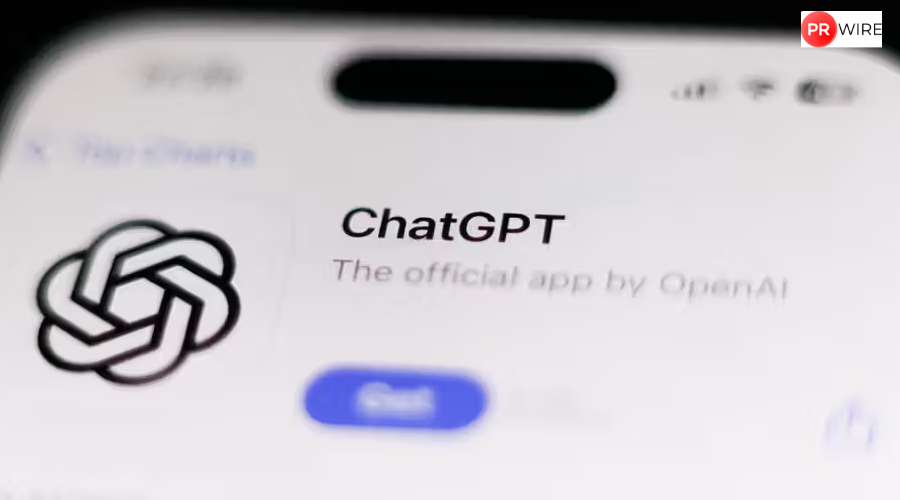
OpenAI has denied reports that it has banned ChatGPT from responding to health or legal queries, calling the claims “not true.” The clarification comes after a viral post on social media falsely suggested that ChatGPT would no longer be allowed to offer any health-related or legal information, a claim that quickly sparked concern among users and professionals alike.
OpenAI clears the air: “No change in functionality”
OpenAI’s Head of Health AI, Karan Singhal, took to X (formerly Twitter) to debunk the rumours. “Not true. Despite speculation, this is not a new change to our terms. Model behaviour remains unchanged. ChatGPT has never been a substitute for professional advice, but it will continue to be a great resource to help people understand legal and health information,” Singhal wrote in his post.
Also read: Apple could launch a low-cost MacBook to rival Chromebooks and Windows laptops: Report
The comment was in response to a now-deleted tweet by prediction platform Kalshi, which incorrectly claimed that ChatGPT would stop providing health or legal advice entirely.
What the new policy actually says
The confusion stemmed from OpenAI’s updated usage policy, released on October 29, which included a section prohibiting the “provision of tailored advice that requires a license, such as legal or medical advice, without appropriate involvement by a licensed professional.”
Also read: Call of Duty: Black Ops 7 release date, Game Pass access, and gameplay details revealed
However, as OpenAI clarified, this clause is not new; it merely reiterates existing rules that have always applied to ChatGPT. The platform was never meant to replace doctors, lawyers, or financial advisors, but it can still help users understand general concepts, guidelines, or research findings in these areas.
View this post on Instagram
One unified policy, not a tighter restriction
The latest update simply merges OpenAI’s three separate policy documents, the universal policy, the ChatGPT-specific one, and the API terms, into a single, standardised list. The company says this consolidation was aimed at consistency across all products, not tightening restrictions.
Also read: Amazon warns Perplexity to pull its Comet assistant from online store
In short, ChatGPT remains fully capable of answering general health and legal questions, as long as users understand that its responses are for informational purposes only, not professional advice.
So, despite the online panic, OpenAI has made it clear: there’s no new ban, just clearer wording.
The article originally appeared on Hindustan Times