
















For now, OpenAI is promising a cleaner experience while it revisits how, when and whether it should surface recommendations.
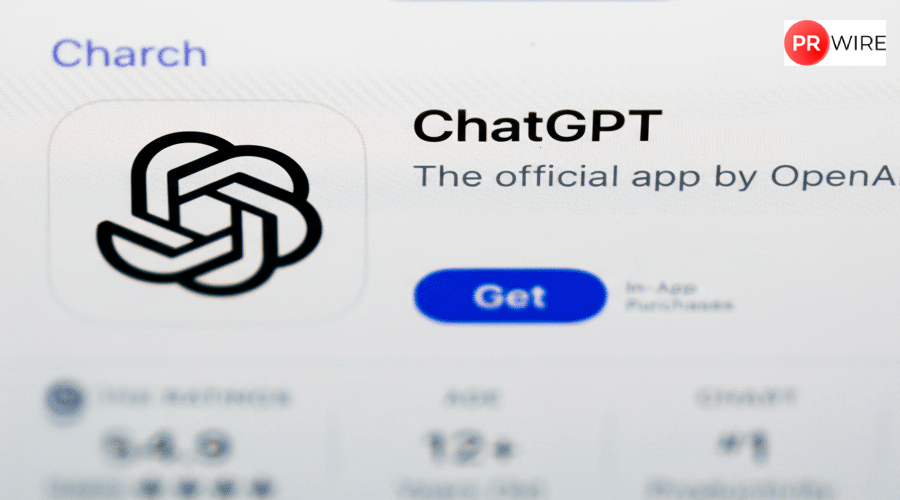
OpenAI has quietly switched off a feature in ChatGPT that showed users app suggestions resembling advertisements, after widespread complaints from paying subscribers who said the prompts felt intrusive and misleading. The company maintains that these were not ads, yet acknowledges it mishandled the rollout.
The controversy erupted when several ChatGPT Plus and Enterprise users shared screenshots showing what looked like promotional messages for brands such as Peloton and Target while interacting with the chatbot. Many questioned why a paid service would surface content that appeared to be commercial in nature.
OpenAI responded by insisting that the messages were not paid promotions. According to the company, the suggestions were meant to highlight apps built on the ChatGPT platform, which launched in October. These suggestions carried no financial arrangement. Despite this explanation, user complaints intensified, with some accusing the company of downplaying the issue.
In an attempt to calm the situation, ChatGPT head Nick Turley clarified that there are no tests for ads running in ChatGPT. He told users that any circulating screenshots that appear to show advertising are either inaccurate or misunderstood. He added that if OpenAI ever decides to introduce advertising, it will take a careful and transparent approach.
A more candid acknowledgement came from OpenAI’s chief research officer, Mark Chen. Responding to user frustration, he admitted that the company had fallen short in execution. Chen explained that anything resembling an advertisement must be handled with caution and confirmed that OpenAI has now turned off those suggestions. He added that the company is improving the precision of the model and exploring user controls to reduce or disable such suggestions entirely.
The timing of the backlash is notable. OpenAI recently brought in former Instacart and Facebook executive Fidji Simo to build out its applications division, a move widely seen as preparation for a future advertising strategy. However, a Wall Street Journal report claims a recent memo from CEO Sam Altman declared a code red that shifts internal focus entirely toward improving ChatGPT’s core quality. This change in direction has delayed other initiatives, including early advertising efforts.
For now, OpenAI is promising a cleaner experience while it revisits how, when and whether it should surface recommendations. The company says user trust remains central to its decisions, and any future features will be designed to uphold that principle.
The article originally appeared on Hindustan Times