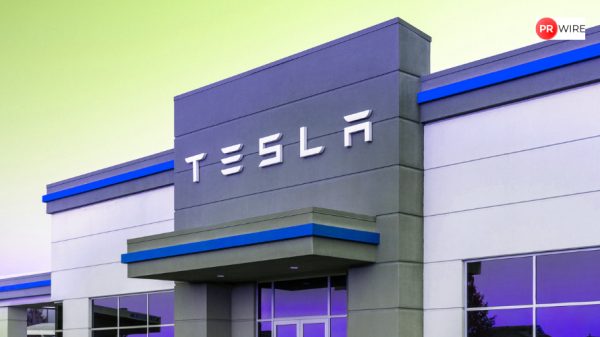



















The tariffs, slated to take effect on April 3, apply to both finished vehicles shipped into the US and to imported parts used in American assembly plants.
On Wednesday, President Donald Trump announced a 25 per cent tariff on cars and car parts imported into the United States. The tariffs, slated to take effect on April 3, apply to both finished vehicles shipped into the US and to imported parts used in American assembly plants. The move, intended to bolster US auto production, is, however, expected to increase prices across the automotive market.
“Anybody who has plants in the United States, it’s going to be good for,” Trump said during remarks at the White House. However, the imposition of these tariffs has rattled markets, particularly in the auto sector, and could create significant disruption for global manufacturers and consumers alike.
The modern auto industry is deeply interconnected, relying on supply chains that stretch across borders. Vehicles and their components are often assembled in multiple countries, driven by decades of free trade agreements that have allowed the North American auto sector, in particular, to develop around seamless cross-border trade. Roughly half of all vehicles sold in the US are imported, while around 60 per cent of parts used in American-assembled cars are sourced internationally.
The new tariffs would affect all brands, both foreign and American, with domestic companies such as General Motors and Ford Motor Company among those impacted. Both manufacturers assemble cars in neighbouring countries like Canada and Mexico. The tariffs could inflate the cost of new cars and disrupt supply chains that have been honed for efficiency.