







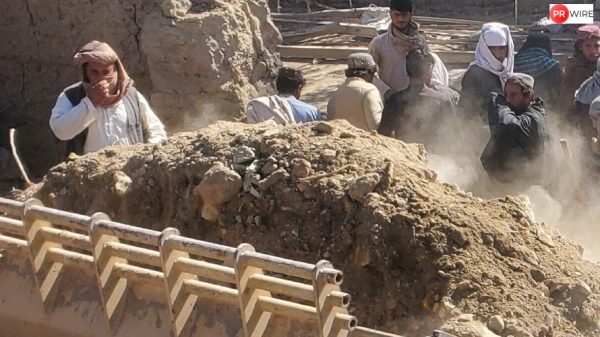
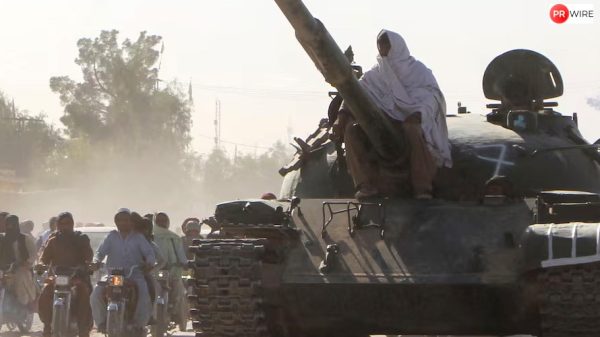




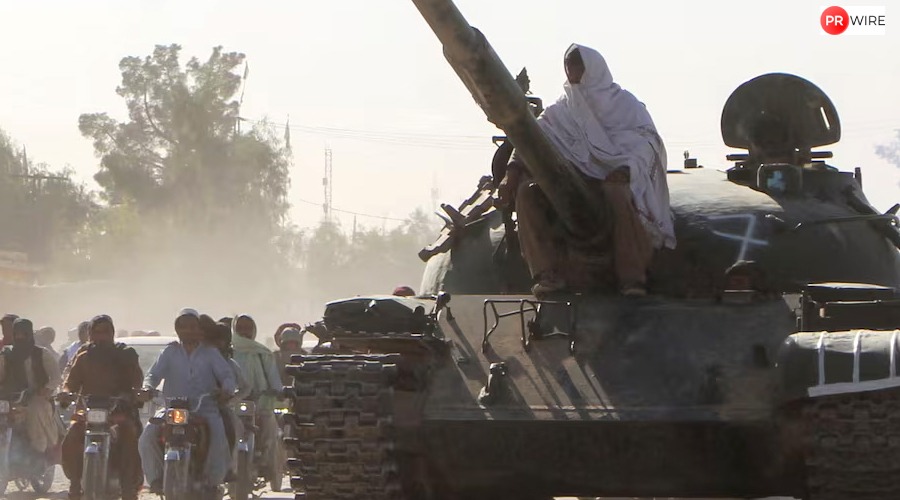
The strikes, under Op ‘Ghazab lil-Haq’, were carried out in the early hours of Friday, Pakistan said, in response to the “unprovoked firing” by Afghanistan.
Pakistan will not compromise on peace and territorial integrity, said its President Asif Ali Zardari on Friday after the country launched what it described were retaliatory strikes against Afghanistan, killing over 130 Taliban fighters.
The strikes, under Operation ‘Ghazab lil-Haq’, were carried out in the early hours of Friday, Pakistan said, in response to the “unprovoked firing on multiple locations along the border in Khyber Pakhtunkhwa’s in Chitral, Khyber, Mohmand, Kurram and Bajaur sectors on Thursday evening” by Afghanistan’s Taliban, according to The Dawn. Track latest in Pakistan-Afghanistan ‘open war’ here
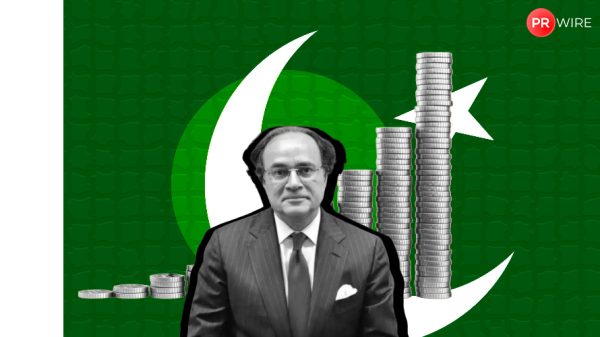
“Pakistan will not compromise on peace & territorial integrity. Our armed forces’ response is comprehensive & decisive. Those who mistake our peace for weakness will face a strong response — and no one will be beyond reach,” said Zardari, according to a post shared on X on the official handle of President of Pakistan.
🇵🇰 “Pakistan will not compromise on peace & territorial integrity. Our armed forces’ response is comprehensive & decisive. Those who mistake our peace for weakness will face a strong response — and no one will be beyond reach.”
~ President Asif Ali Zardari— The President of Pakistan (@PresOfPakistan) February 26, 2026
State broadcaster PTV News reported that the armed forces of Pakistan carried out air strikes and targeted Afghan Taliban’s important military installations in Kabul, Kandahar and Paktia. Pakistan Air Force reportedly also destroyed destroyed an ammunition depot in the Nangarhar province of Afghanistan.
Declaring an “open war“, Pakistan defence minister Khawaja Asif also confirmed that the operation was underway, saying that the armed forces were delivering a strong response to aggression from the Afghan Taliban.
Asif said that after the withdrawal of Nato forces, it was expected that there would be peace in Afghanistan and the Taliban would focus on the interests of the Afghan people and peace in the region.
The defence minister said that Pakistan has made every effort to maintain normalisation, both directly and through friendly nations. “The forces of Pakistan had given a decisive response to aggression from the Afghan Taliban.” He said that Pakistan’s previous role had been “positive,” highlighting the country’s hosting of Afghan refugees, but noted, “Our patience has run out. Now there is an open war.”
Islamabad has long accused the Taliban of providing safe haven to groups behind escalating attacks, especially the Tehrik-i-Taliban Pakistan (TTP), which has carried out a long-running insurgency in Pakistan. Kabul denies this and argues that Pakistan hosts groups targeting Afghanistan and disregards Afghan sovereignty.
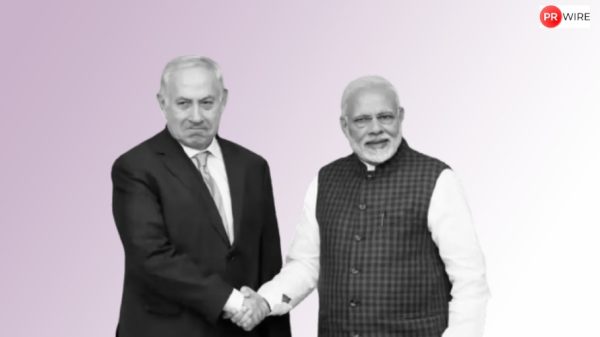
Pakistan has baselessly accused India of backing anti-Pakistan militant elements in Afghanistan and attempting to destabilise the region, linking New Delhi to cross-border clashes between Pakistani forces and armed groups operating from Afghan territory.
India, however, has firmly rejected the allegations as “baseless” and “politically motivated”, saying Pakistan routinely blames New Delhi for its internal security challenges.
Responding to the recent round of clashes between Pakistan and Afghanistan, India had on February 22 said it “strongly condemns Pakistan’s airstrikes on Afghan territory that have resulted in civilian casualties, including women and children, during the holy month of Ramadan.”
It is another attempt by Pakistan to externalise its internal failures, the Ministry of External Affairs stated, adding that India reiterates its support for Afghanistan’s sovereignty, territorial integrity and independence.
The article originally appeared on Hindustan Times