















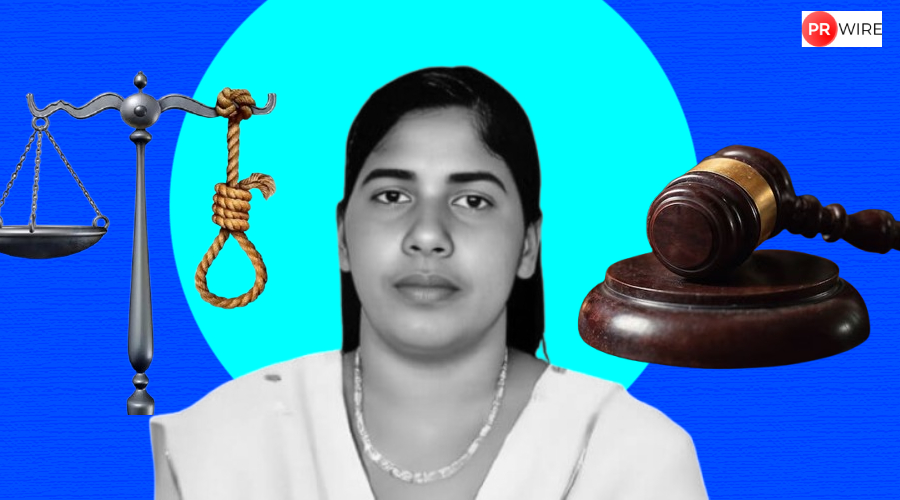
Nimisha Priya is facing the execution in Yemen for the alleged murder of her Yemeni business partner, Talal Abdo Mahdi in 2017.
The Supreme Court is set to take up a plea on Monday seeking the Indian government use diplomatic channels to Nimisha Priya, a nurse from Kerala facing execution in Yemen for alleged murder. The hearing comes just two days before her scheduled execution on Tuesday, July 16.
Nimisha Priya is facing the execution for the alleged murder of her Yemeni business partner, Talal Abdo Mahdi in 2017.
The plea filed in Supreme Court seeks to explore the option of paying ‘blood money’ to the victim’s family in order to save Nimisha Priya from execution. The provision is permissible under Sharia law in Yemen, the plea argues.
A bench of Justices Vikram Nath and Sandeep Mehta will likely hear the matter, that was listed for urgent hearing on July 10.
Advocate Subhash Chandran KR submitted the plea, which argues that the payment of blood money would influence the victim’s family to pardon the Kerala nurse. Nimisha Priya’s family has reportedly offered $1 million ( ₹8.6 crore) as ‘blood money’ to the victim’s family in hopes of saving her.
Why Nimisha Priya is on death row
Nimisha Priya is a 38-year-old nurse from Kerala’s Palakkad district. She went to Yemen for work in 2011, but is currently locked up in a prison in the capital city Sana’a.
She went to Yemen with her family, but her husband and daughter returned to India three years later in 2014 due to civil unrest in Yemen.
Nimisha stayed back to support her family. However, Yemen’s law mandates foreign medical practitioners partner up with a Yemeni national if they want to to open a clinic — enter Talal Abdo Mahdi.
Nimisha partnered with Mahdi for her clinic, but he allegedly falsified documents to falsely claim he was married to her, withheld her passport, subjected her to years of physical abuse, financial exploitation, and repeated threats.
In 2017, Priya attempted to sedate Mahdi aiming to get hold of her passport so she could leave Yemen, but the dose turned lethal and he died. She also allegedly dismembered his body and dispose it.
She was sentenced to death three years later in 2020, an order the Houthis’ Supreme Judicial Council upheld in 2023.
While Indian officials are engaged in efforts to prevent her execution, doing so is tricky because the prison she is lodged in is controlled by the Houthi administration, with which India has no formal diplomatic ties.
The article originally appeared on Hindustan Times