

















AI runs on GPUs. GPUs run on high-speed RAM. And that is why consumer-grade hardware is taking a hit. Here are the details.
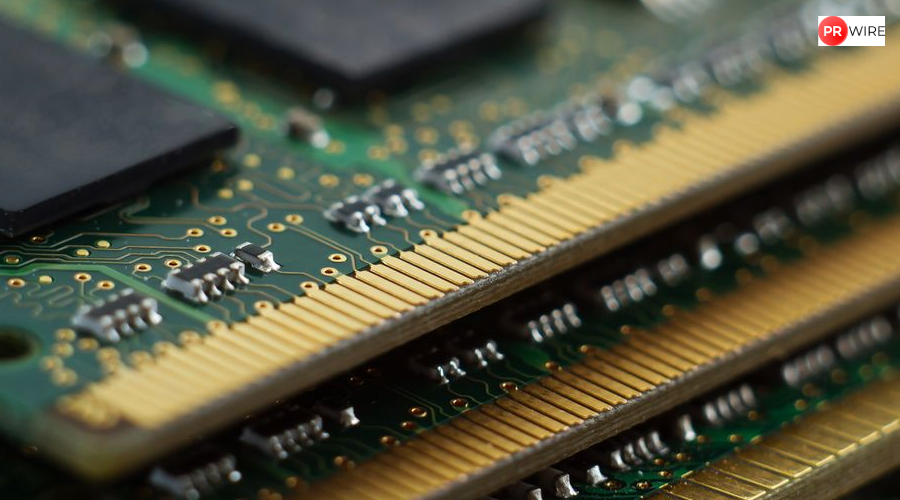
RAM is an essential component in almost all electronic devices, such as smartphones, laptops, gaming consoles, and even cars now. But of late, the prices of RAM sticks have been increasing. In fact, reportedly, some smartphone manufacturers are already anticipating future price hikes for their smartphones. A recent report also suggested that Samsung recently rejected a supply demand from its own mobile division for RAM, as it wants to boost profitability. This decision came from Samsung’s semiconductor division, known as DS. So, what’s prompting this price hike? Why are RAM prices rising? It mostly has to do with artificial intelligence. Read on.
AI and the ever increasing need for data centers
As artificial intelligence advances and the need for compute increases, big-name companies like OpenAI, Google, and Meta are setting out to build bigger and better infrastructure. They are building large data centres to facilitate this. Evidence of this can be seen in companies like Google opening large data centres in places such as Visakhapatnam. A report by The Economic Times noted that Adani Enterprises partnered with Google to build India’s largest data centre campus in Visakhapatnam. When it comes to these data centres, the role of RAM and storage becomes paramount. Why? GPUs powering AI need RAM: High Bandwidth Memory.
How GPUs are eating up space for consumer-grade RAM?
For artificial intelligence models to work and train, there is a huge need for AI chipsets such as NVIDIA’s GPUs. And for the GPUs to be made, a key component is High Bandwidth Memory (HBM). To manufacture HBM, companies like Samsung, SK Hynix, and Micron have to sacrifice the production of standard RAM such as DDR5.
Mostly for boosting profits, manufacturers are prioritising HBM for AI workloads. This leaves less capacity for consumer-grade RAM, causing a shortage and further driving up prices. In fact, the issue is so severe that Micron, a major player in the memory space, recently announced that it would shut down Crucial, which was known for its consumer-grade RAM, especially for gaming, to focus primarily on AI and direct B2B customers. Overall, the growing demand for high-bandwidth memory is leading to a shortage of regular consumer RAM.
Analysts predict that supplies could be constrained and smartphone prices could be increased
IDC research predicts that supply constraints could push prices higher, which would mostly impact low-to-mid-range Android devices, as they are highly price-sensitive. Smartphone shipments, according to IDC, could see a soft decline in 2026. IDC also states that vendors will need to adopt different strategies to protect their market share, and while some OEMs will inevitably need to increase prices.
“As memory components become more limited and more expensive, manufacturers face increasing pressure to raise prices,” said Anthony Scarsella, research director with IDC’s Worldwide Quarterly Mobile Phone Tracker. “Vendors need to adopt different strategies to protect their market share. While some OEMs will inevitably be forced to raise prices, others will adjust their portfolio towards pricier models with higher margins to absorb some of the memory impact on BOM.”
MOBILE FINDER: iPhone 17 PRICE in India
The article originally appeared on Hindustan Times